How to File a Civil Protection Order in Colorado: Step-by-Step Process
Filing for a civil protection order in Colorado is a same-day process at the courthouse. A judge reviews the petition without the other party present and, if the facts support imminent danger, issues a temporary order before the petitioner leaves. Knowing what to bring and what to expect makes the process significantly less difficult.
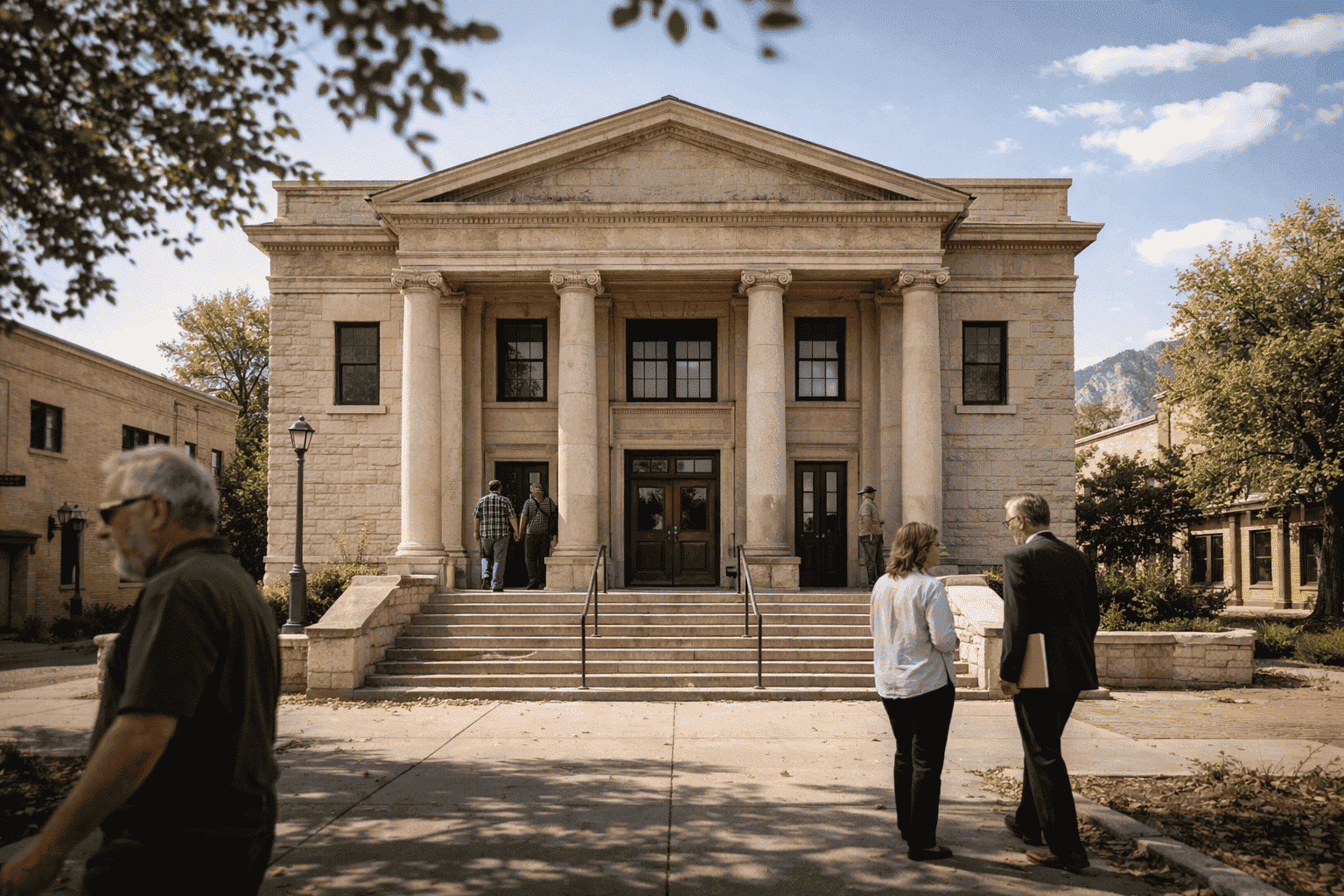
Determine Which Court Has Jurisdiction
Civil protection orders in Colorado are filed in the district court of the county where the petitioner lives, where the respondent lives or where the events described in the petition took place. In La Plata County, that is the 6th Judicial District Court in Durango.
The court can issue a civil protection order for situations involving physical assault, sexual assault, stalking, harassment or credible threats of harm. Domestic violence between current or former partners follows a separate track under domestic violence protection order statutes, which share the same court system.
Gather Your Documentation Before Going to the Courthouse
The petition asks for a written account of what happened. The more specific and dated the account, the stronger the basis for the temporary order. Relevant evidence to bring includes:
| ✓ | Document Type | Why It Matters |
|---|---|---|
| ✓ | Written records | Incident accounts with specific dates, times and locations |
| ✓ | Threatening messages | Screenshots of texts, emails, or social media posts |
| ✓ | Photos of injuries/damage | Include dates — more credible than descriptions alone |
| ✓ | Recorded communications | Voicemails, call logs, or other audio evidence |
| ✓ | Witness information | Names and contact details of people who can corroborate |
| ✓ | Prior police reports | Any reports related to previous incidents with this person |
The judge reviews only what is presented at the ex parte hearing. A detailed, factual account is more persuasive than a general description.
Complete the Required Forms
Colorado uses standardized judicial forms for civil protection orders. The primary forms are:
| Form | Name | Purpose | Completed By |
|---|---|---|---|
| JDF 401 |
Verified Complaint / Motion for Civil Protection Order |
The main petition — describes the situation and what relief is requested | Petitioner |
| JDF 402 | Temporary Civil Protection Order | The actual order form — completed by the court if the TPO is granted | Judge / Court |
| JDF 407 | Notice of Hearing | Sets the date for the permanent order hearing (must be within 14 days) | Court |
Forms are available at the courthouse and through the Colorado Judicial Branch website. Self-help assistance is available at many courthouses for petitioners who choose to proceed without an attorney.
What Happens at the Ex Parte Hearing
The petitioner presents the petition to a judge or magistrate. The respondent is not present and receives no notice before this hearing. The judge reviews the written petition and may ask questions.
If the judge finds that the facts support a showing of imminent danger, a temporary protection order is issued the same day. If the judge does not find sufficient grounds, the petition may be denied or the petitioner may be asked to provide additional information.
Once the temporary order is issued, the petitioner receives copies to provide for service on the respondent. Service must be completed before the permanent order hearing can proceed.
After the Temporary Order Is Issued
The temporary order is active from the moment it is signed. The permanent order hearing is scheduled within 14 days. For what happens next, including service deadlines, firearms surrender requirements and the process for modifying or dismissing a protection order at any later stage, those are separate processes.
For petitioners who want to understand what a civil protection order can and cannot restrict before filing, reviewing those details in advance helps set realistic expectations for what the court can order.
Talk to Barrie Before You File
Filing is straightforward when the facts are clear and documented. When the situation is more complicated, including prior protective orders, active criminal matters or contested custody, the process benefits from legal guidance before the petition is submitted. Barrie represents petitioners across La Plata County, Montezuma County, Archuleta County and all of Southwest Colorado.
-
The filing fee is $85. Victims of domestic violence, sexual assault or stalking are exempt from this fee.
-
No. Civil protection orders in Colorado must be filed in person at the district courthouse. The petitioner must appear before a judge for the initial ex parte hearing.
-
The judge may ask for more information or additional documentation. In some cases, the petitioner can revise and refile the petition. Barrie can review the petition before filing to address any gaps.